Garlic Butter Ribeye Steak (Juicy, Crispy Crust, Perfect Every Time)
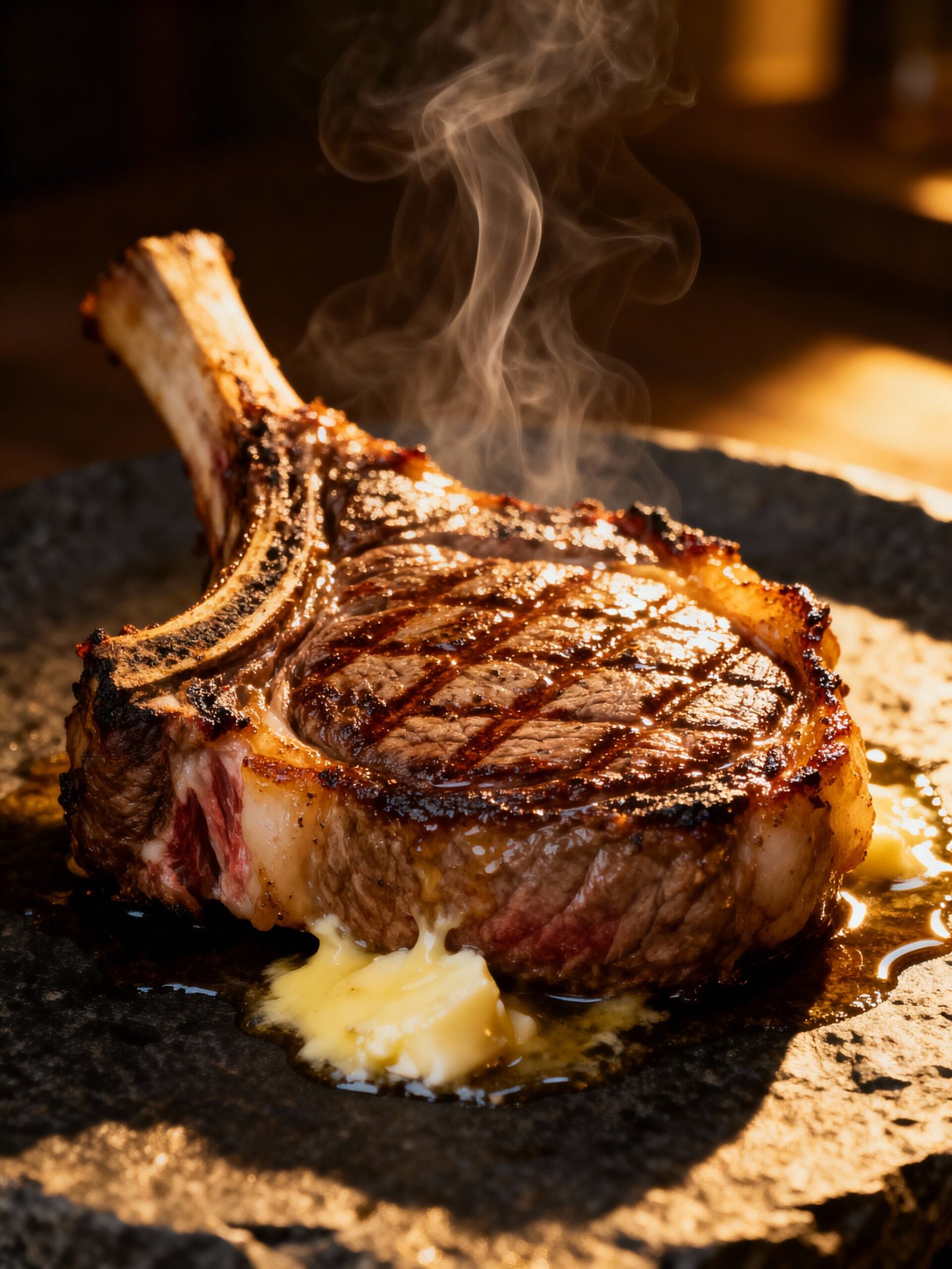
You want the juiciest, loudest, most unapologetically beefy steak on your plate. I respect that. I chase that exact bite every weekend, and I never miss when I cook a garlic butter ribeye that hits like a steakhouse champion.
I’ll show you how I get that deep crust, that buttery baste, and that perfect blush inside. I’ll share what actually matters, what gear helps, and why ribeye rules the carnivore world. Ready for a steak that makes your neighbors pretend they “just happened to stop by”? Let’s cook.
Why Ribeye Rules the Carnivore Kingdom
Ribeye brings marbling, and marbling brings flavor. That fat melts into the meat and leaves every bite rich, juicy, and ridiculously tender.
Ever notice how ribeye tastes buttery even before you add butter? The intramuscular fat pulls that off. The spinalis dorsi (also called the ribeye cap) sits on the outer edge and tastes like beef candy. I chase steaks with a big cap because I want max flavor.
I call ribeye the ultimate carnivore steak because it doesn’t need sauce, marinade, or fuss. A hot pan, salt, pepper, and garlic butter carry it home.
Ingredients and Gear You Actually Need
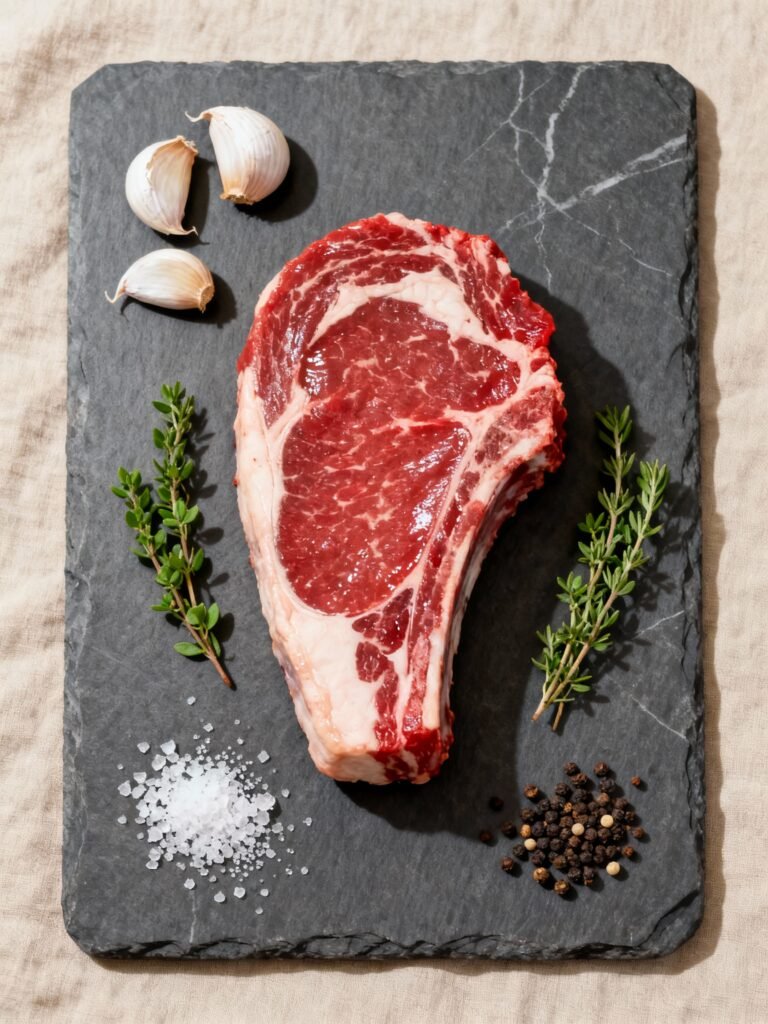
I keep this simple. You won’t need a binder, a marinade, or twenty spices. You need real steak and smart heat.
Ingredients
- 1 bone-in or boneless ribeye, 1.5–2 inches thick (about 16–24 oz)
- Kosher salt (Diamond Crystal if you have it)
- Freshly cracked black pepper
- Neutral high-smoke oil (avocado, beef tallow, or refined peanut)
- 4 tablespoons unsalted butter
- 3–4 garlic cloves, smashed or grated
- Fresh thyme or rosemary, optional but awesome
- Finishing salt (flake salt) for the end, optional
- Lemon wedge, optional for a tiny pop
That’s it. You already feel better, right?
Gear
- 12-inch cast-iron skillet or a heavy stainless steel pan
- Instant-read thermometer (game changer)
- Wire rack + sheet tray for dry brining
- Tongs + a big spoon for basting
- Oven for reverse sear, or a grill for two-zone heat
Pick the Right Ribeye
Great steak starts at the butcher’s case. I check these details and grab the best cut I can afford.
- Grade: Go Prime for top marbling. Choose the Choice for value. Skip Select for ribeye unless you love self-sabotage.
- Thickness: Choose 1.5–2 inches for best results. Thin steaks cook fast and leave you crying over missed temps.
- Bone-in vs boneless: I love bone-in for presentation and meaty flavor. I cook both the same way.
- Grass-fed vs grain-fed: Grass-fed tastes beefy and clean. Grain-fed tastes richer and fattier. I rotate both.
- Dry-aged: If you want funky, nutty depth, grab dry-aged. I love it, but regular ribeye still wins most nights.
Prep Like a Pro: Dry Brine and Setup
I always season early. Salt needs time to work in and pull moisture back into the meat.
- Pat the ribeye dry.
- Season all sides with kosher salt. Use about 1/2 teaspoon per pound if you want a target.
- Set the steak on a wire rack over a tray.
- Chill uncovered for at least 1 hour, and up to 24–48 hours for max flavor.
- Pull the steak out 30–45 minutes before cooking so it loses the fridge chill.
- Right before searing, add black pepper and a thin layer of neutral oil.
Ever wonder why your crust sometimes looks weak? Wet steak fights browning. Dry the surface and watch that steakhouse crust appear.
Method 1: Reverse Sear Ribeye (Edge-to-Edge Pink)
I use this method when I cook thick steaks and want precision. You cook low and slow first, then you finish with a ripping hot sear.
Step-by-step
- Heat the oven to 250°F.
- Place the steak on a rack over a tray.
- Cook until the center hits:
- 115°F for medium-rare finishing
- 120°F for medium finishing
- Pull the steak and rest it for 10 minutes while you heat the skillet over high heat.
- Add a little neutral oil and sear for 60–90 seconds per side. Seal the edges too.
- Drop in butter, garlic, and herbs, and baste constantly for 30–45 seconds.
- Pull the steak at 125–130°F for medium-rare or 135°F for medium. Let it rest.
I never guess on temps. I trust the thermometer and hit perfect doneness every time.
Garlic Butter Baste
I keep the garlic whole or smashed so it perfumes the butter without burning. I angle the pan, pool the butter, and flick it over the steak like I mean it. FYI, garlic burns fast, so I add it at the end and keep the butter foaming, not smoking.
Method 2: Hot-and-Fast Cast-Iron Ribeye (Weeknight Flex)
I choose this when I want dinner in 15 minutes. The trick? Heat that pan until it scares you.
Step-by-step
- Heat a cast-iron skillet over high heat until it smokes lightly.
- Add a thin film of neutral oil.
- Lay the steak in and press it down for full contact.
- Sear for 2–3 minutes until you see a deep brown crust.
- Flip and sear 2–3 minutes on the second side.
- Kill the heat, add butter + garlic + herbs, and baste for 30–45 seconds.
- Check the temp. If you need a little more, slide the skillet into a 350°F oven for a couple of minutes.
I use this for 1–1.5-inch steaks. Thicker cuts still favor reverse sear, IMO.
Grill Option: Two-Zone Fire, Steakhouse Vibes
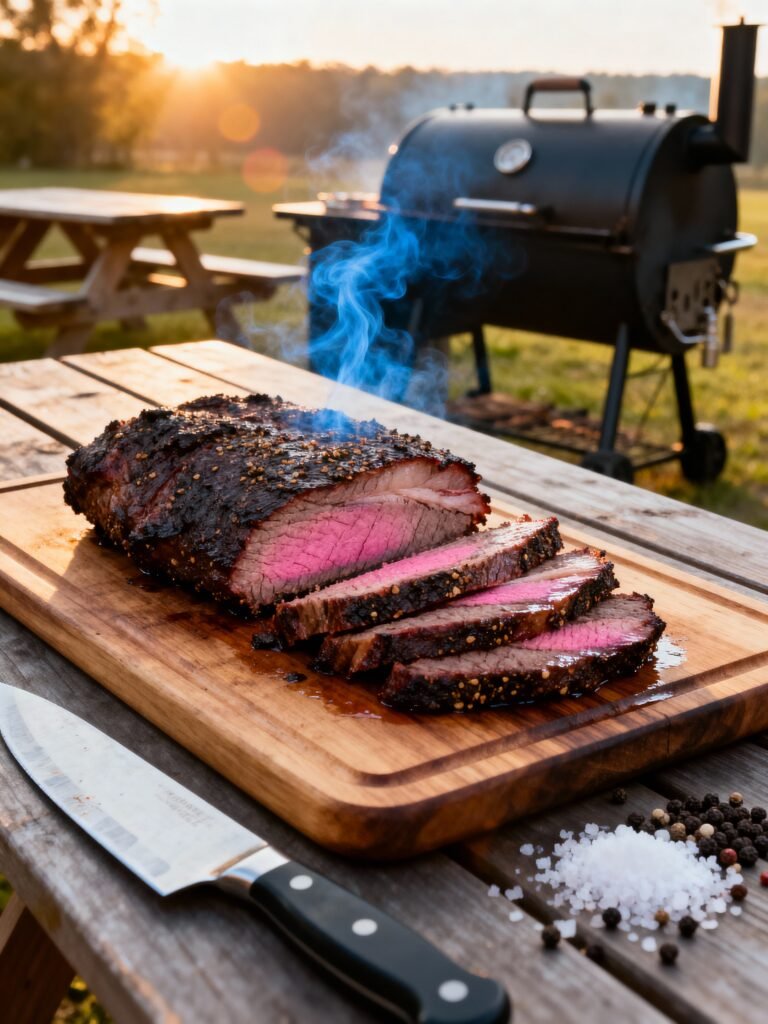
I love steak over fire. Smoke and flame deepen the flavor in a way pans can’t touch.
- Set up two zones: one hot direct zone, one cooler indirect zone.
- Sear over the hot zone for 2–3 minutes per side.
- Move to the cooler zone and cook to your target temp.
- Melt garlic butter over the top and serve with a smug smile. 🙂
Ever wondered why two-zone works so well? You control the heat curve and avoid flare-ups while you build crust.
Sear Science: Crust, Heat, and Timing
Great crust needs dry steak, high heat, and patience. I follow a few simple rules.
- Start with a dry surface and adequate salt.
- Use high-smoke-point fat for the initial sear.
- Don’t crowd the pan. One steak per skillet keeps the heat brutal and even.
- Don’t babysit the steak. Let it contact the pan to build a crust, then flip.
- Seal the edges. Fat cap and sides hold flavor.
Want that extra 5%? I baste with foaming butter only after I set the crust. I let the butter kiss the steak, not drown it.
Temps and Doneness: Don’t Guess
I track temps and hit the finish line on purpose. Carryover heat exists, so I pull early and let it coast.
- Rare: Pull at 120°F, finish around 125°F
- Medium-rare: Pull at 125–130°F, finish around 130–135°F
- Medium: Pull at 135°F, finish around 140°F
- Medium-well: Pull at 145°F, finish around 150°F
For ribeye, I stick to 130°F for peak juiciness. The fat melts, the meat stays tender, and the flavor goes nuclear.
Rest, Slice, Serve: Lock In the Juices
I let the steak rest for 5–10 minutes on a board. That time lets the juices settle and stay where they belong.
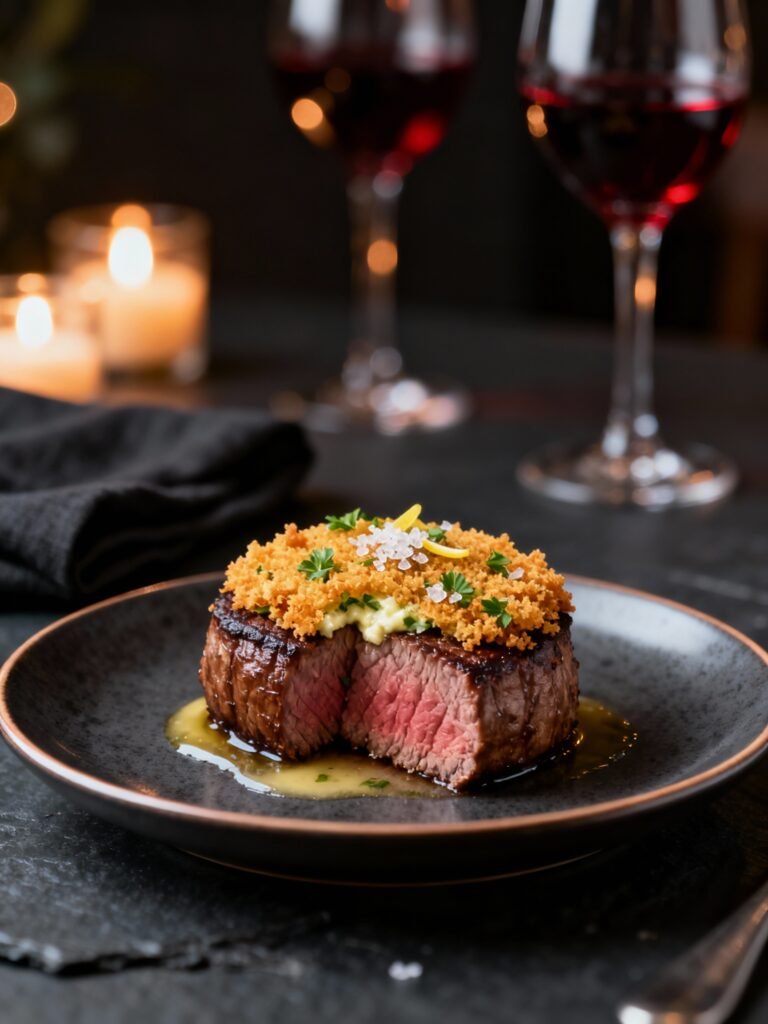
Slice across the grain for the cleanest bite. Ribeye grain can wander, so I turn the steak and adjust my angle until I see smooth slices. Finish with flake salt and a thin drizzle of the garlic butter from the pan.
I keep sides simple when I want the steak to show off. A wedge of lemon, maybe a few roasted mushrooms, and a cold drink complete the move.
Common Mistakes (And Fixes)
I’ve made them all. I fixed them all too.
- Not salting early: Salt at least an hour ahead. Dry brine if you can.
- Wet steak: Pat dry before it hits the pan.
- Low heat: Heat the skillet until it glows with intent.
- Garlic too early: Add garlic when you add butter, not before.
- No thermometer: Guessing leads to heartbreak. Use a probe.
- Moving the steak too much: Let the crust form before you flip.
- Wrong oil: Use neutral oil for the initial sear. Save butter for basting.
Got smoke alarm drama? Crack a window and crank a vent. I keep a small fan by the stove because I like neighbors, not lectures.
Flavor Tweaks That Still Respect Carnivore Roots
You don’t need extras, but a few tiny twists can level you up without hiding the beef.
- Finish with lemon zest and flake salt for brightness.
- Make a compound butter: mash butter with grated garlic, a pinch of salt, and chopped herbs. Roll and chill. Slice and melt the steak.
- Add a spoonful of beef tallow to the pan for even deeper flavor.
- Sprinkle cracked pepper at the end to keep it punchy, not bitter.
I treat herbs like background singers. They support the star, not upstage it.
Leftovers, Reheat, and Storage
If you lock in a juicy steak, you might face a rare miracle: leftovers. I handle them gently.
- Chill leftovers quickly on a rack, then store in an airtight container.
- Reheat slices in a low oven (250°F) until warm, then flash-sear in butter for 20–30 seconds.
- Or eat cold with salt because you live free.
I also fold cold ribeye into eggs the next morning and declare victory before noon.
Quick FAQ
- Boneless or bone-in? Both crush it. Bone-in looks cool and tastes meaty. Boneless cooks more evenly.
- Cast iron or stainless? I prefer cast iron for heat retention and crust. Stainless steel works if you manage heat perfectly.
- Reverse sear or hot-and-fast? I choose reverse sear for thick steaks and hot-and-fast for weeknights.
- Grass-fed or grain-fed? Both work. Grass-fed tastes leaner and beefier. Grain-fed tastes richer. Rotate and enjoy.
- Butter or ghee? Butter brings flavor. Clarified butter/ghee handles heat better. I sear in oil, then baste in butter or ghee.
Step-by-Step: My Exact Play for Juicy Garlic Butter Ribeye
I run this sequence when I want a guaranteed win.
- Dry-brine the ribeye with kosher salt for 1–24 hours on a rack.
- Pull from the fridge 30–45 minutes before cooking.
- Pat dry again and coat lightly with neutral oil. Add black pepper.
- For thick steak: run reverse sear at 250°F to 115–120°F, rest, then sear hard in cast iron.
- For regular steak: sear hot and fast for 2–3 minutes per side in a cast iron. Finish in the oven if needed.
- Add butter + smashed garlic + thyme/rosemary at the end and baste. Keep the butter foaming.
- Pull at 125–130°F for medium-rare, rest 5–10 minutes, slice, and finish with flake salt.
That’s the whole playbook. It looks simple because it is.
Honest Comparisons That Matter
I hear the same debates every week, so I’ll call the winners.
- Reverse Sear vs Sear-Then-Oven: Reverse sear wins for edge-to-edge pink and control. Sear-then-oven works, but it risks a gray band.
- Cast Iron vs Grill: Cast iron wins for reliable crust and predictable heat. The grill wins for smoke and a primal vibe. I run both depending on the mood.
- Prime vs Choice: Prime wins for marbling and decadence. Choice wins for value. I buy Prime for special nights and smile bigger.
Ever wondered which one actually tastes better to most people at the table? The answer usually sounds like “the one with butter.”
Quick Troubleshooting Guide
- Pale crust? Dry your steak better, salt enough, and preheat more.
- Burnt garlic? Add garlic later and keep the butter foamy, not smoking.
- Overcooked center? Pull earlier and trust carryover heat.
- Uneven doneness? Reverse sear, and make sure the steak sits at room temperature before searing.
- Greasy finish? Use less butter and baste toward the end, not the whole time.
You never need gimmicks. You need heat, timing, and salt.
SEO-Friendly Takeaways You’ll Actually Use
- For a truly Juicy Garlic Butter Ribeye — The Ultimate Carnivore Steak, run a reverse sear on thick cuts and hot-and-fast on regular cuts.
- Use a cast-iron skillet for a reliable steakhouse crust.
- Target 125–130°F for perfect medium-rare and use an instant-read thermometer.
- Baste with garlic butter at the end and avoid burnt garlic.
- Choose a Prime ribeye or a well-marbled Choice steak with at least 1.5–2 inches of thickness.
Bookmark those and you’ll cook like a steak pro on command.
The Bottom Line
You want a ribeye that explodes with flavor, drips with garlic butter, and cuts like silk. You can hit that every time with smart seasoning, real heat, and a calm sear. You control the crust, the temp, and the finish.
So grab a thick ribeye, salt it early, and pick your lane: reverse sear for precision or cast iron for speed. Then baste with garlic butter, rest, slice, and smile because you nailed the ultimate carnivore steak. I’ll save you a seat at my table next time—if I don’t eat the whole thing first. :/ (kidding… mostly)