Low & Slow Leg of Lamb (Ultra-Tender, Super Juicy)
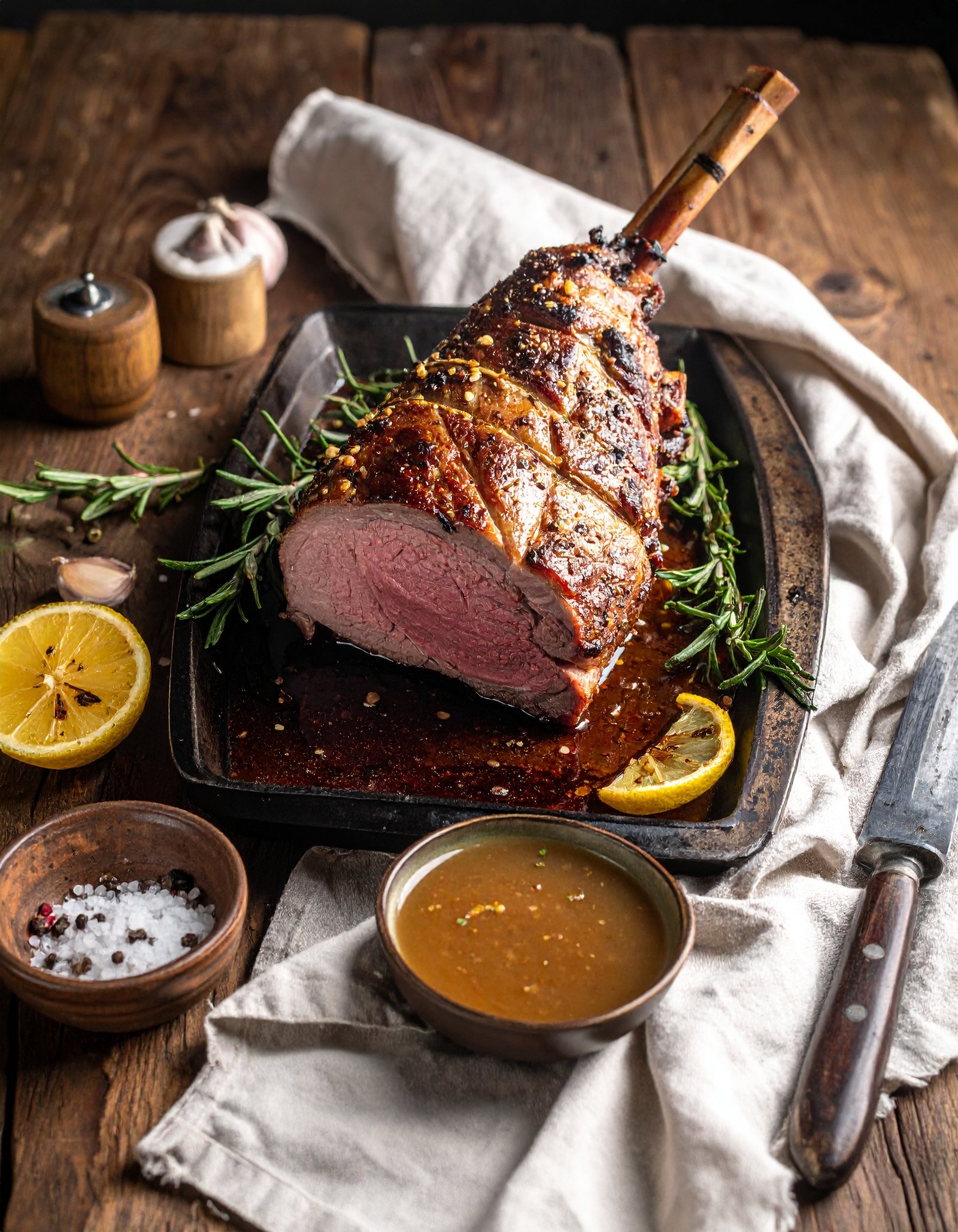
You want a leg of lamb that slices like butter and bathes your plate in savory juices, right? Same. I chased that dream for a while and roasted a few tragically dry legs along the way. Then I switched to a low-and-slow method, and the game changed. You get ultra-tender meat, super juicy slices, and zero stress.
I cook this on lazy Sundays when I want big flavor and low effort. The technique does the heavy lifting while you sip something and feel smug. Ever wanted a roast that tastes like you babysat it all day, even though you barely lifted a finger? This one delivers.
I’ll walk you through everything: the science, the gear, my favorite rub, ideal temperatures, and the smoothest path to a perfect finish. I’ll also share a few unfiltered opinions because I care about your dinner and your sanity.
Why “Low & Slow Leg of Lamb” Works
Low heat lets the lamb relax. High heat bullies it. You want tenderness, so you treat the roast gently and give it time. You’ll watch the collagen melt, the fat baste the meat, and the big flavors deepen without scorched edges.
Collagen, Fat, and Flavor (Plain English)
Collagen sits in the connective tissue and feels tough at high heat. Low heat gives collagen time to break down into gelatin, which coats each bite and creates that silky mouthfeel. The lamb tastes richer because the fat renders slowly and kisses the meat instead of flooding your pan.
Ever wondered why some roasts shred and others fight your knife? Timing and temperature decide everything here. Low heat stretches the window of perfection, so you avoid that “blink and it’s overcooked” chaos.
Heat Management: The Sweet Spot
I roast a leg of lamb at 275°F (135°C). That temperature keeps the surface from racing ahead of the center. You also get even cooking and a gorgeous, even pink interior. You want flavor-packed browning, too, so you finish with a short blast of high heat or a quick broil. Your smoke alarm can relax.
Ingredients for Low & Slow Leg of Lamb
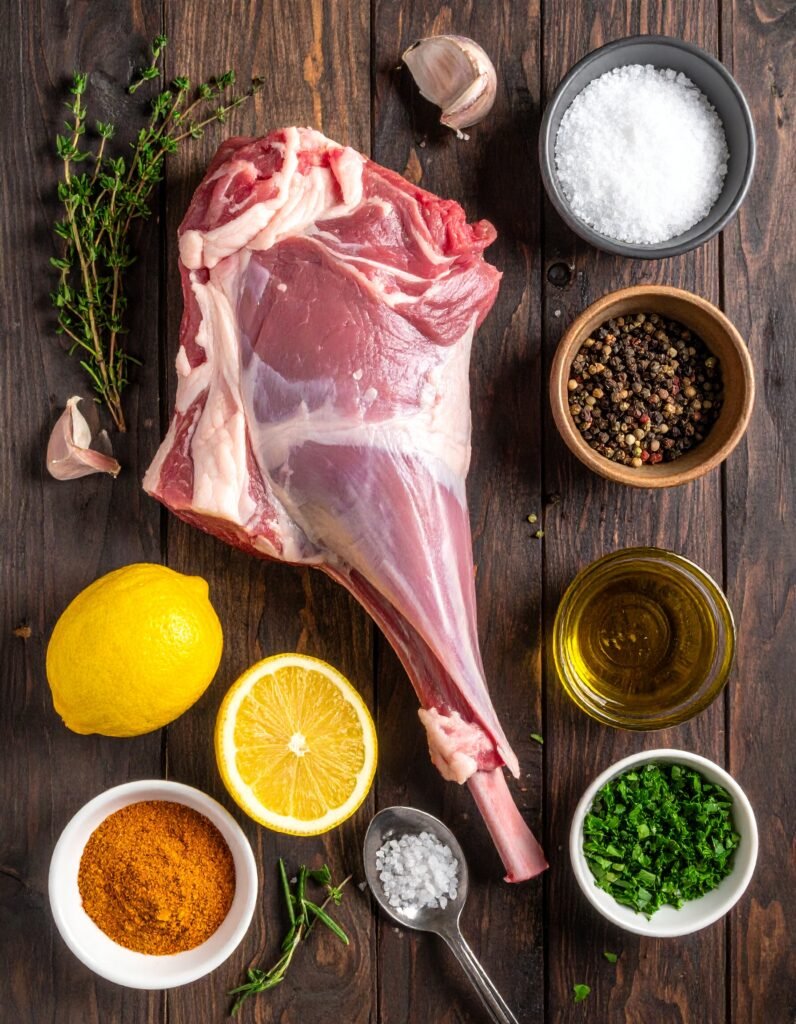
I keep the ingredients classic because lamb loves bold, clean flavors. You can tweak the herbs and citrus, but salt, garlic, and good olive oil do most of the heavy lifting.
- 1 whole leg of lamb (4.5–6.5 lb / 2–3 kg), bone-in or boneless
- 2.5–3 tsp kosher salt (about 1 tsp per 2 lb / 1 kg, plus more to taste)
- 1.5 tsp freshly ground black pepper
- 6–8 garlic cloves, minced
- 2–3 tbsp fresh rosemary, finely chopped
- 1–2 tbsp fresh thyme, chopped
- 1 lemon, zested (and 1–2 tbsp juice)
- 1–2 tsp Dijon mustard
- 3 tbsp extra-virgin olive oil
- Optional: 1 tsp smoked paprika or 1 tsp ground cumin for a deeper vibe
- Optional: 1 tsp brown sugar for a hint of caramelized edges
FYI: I score a bone-in leg lightly to help the rub grip and to encourage rendering. I skip deep gashes because deep cuts can leak juice. You want flavor on the surface and tenderness inside, not juice on the cutting board.
Smart Substitutions
- No rosemary? Use oregano or savory.
- No lemon? Use orange zest or a splash of red wine vinegar.
- Sensitive to garlic? Use garlic powder for softer edges, or cut the fresh garlic in half.
Gear You Need (Nothing Fancy)
- Sturdy roasting pan with a rack or a bed of onions and carrots.
- Instant-read thermometer for accurate temps.
- Foil for tenting and resting.
- Sharp carving knife and a stable cutting board.
I use a basic oven, a cheap rack, and a reliable thermometer. That thermometer earns its keep. Guesswork ruins roasts, and thermometers end that drama.
Step-by-Step: Slow Roasted Leg of Lamb
Ever stared at a big roast and felt a tiny wave of panic? I’ve done that. This plan removes the doubt and keeps your timing tight.
1) Dry Brine the Lamb
- Pat the leg dry and trim thick silver skin or hard surface fat.
- Sprinkle 1 tsp kosher salt per pound (or 2 tsp per kg) all over.
- Place the leg on a rack in the fridge, uncovered, for 12–24 hours. Short on time? Go for at least 2–3 hours.
Salt pulls out a little moisture at first, then the meat reabsorbs that briny liquid and seasons itself. The surface dries slightly, which helps with browning later.
2) Mix the Rub
- Stir garlic, rosemary, thyme, lemon zest/juice, Dijon, olive oil, pepper, and any optional spices.
- Taste the paste and adjust salt gently to avoid oversalting after the dry brine.
- Rub the paste all over the leg, including the nooks around the bone.
I massage the rub in like I mean it. The flavor sticks better, and the kitchen starts to smell like a restaurant that makes smart choices.
3) Set the Oven and Roast Low
- Preheat to 275°F (135°C).
- Set the lamb on a rack in a roasting pan. Add a rough-chopped onion and a few carrot chunks under the rack if you want instant jus later.
- Roast until the center hits your target pull temp. For most folks: pull at 133–135°F (56–57°C) for medium-rare to medium after resting.
I start checking at the 2-hour mark for a 5–6 lb leg. Bone-in roasts take a touch longer. Boneless roasts cook a touch faster. You control the finish, so trust the thermometer.
4) Finish With High Heat (Optional but Awesome)
- Crank the oven to 475–500°F (245–260°C) or switch to broil.
- Blast the surface for 5–10 minutes until the crust browns and the herbs sizzle.
- Watch closely and pull the pan as soon as the crust looks bronzed and happy.
You want color, not charcoal. I stop the moment the edges brown and the fat glistens. That pop of heat builds flavor without drying anything out.
5) Rest and Carve
- Tent the roast loosely with foil and rest for 20–30 minutes.
- Slice against the grain in thin, confident slices.
- Spoon pan juices over the meat and on your potatoes or pilaf.
Resting lets the juices settle, so each slice stays juicy. I plan the sides around the rest window, then I carve without rushing and enjoy the payoff. 🙂
Time and Temperature Guide
You control doneness with internal temperature. The finish line arrives fast near the end, so watch the thermometer and trust your timing.
- Medium-rare finish: Pull at 133–135°F (56–57°C), rest to 135–140°F (57–60°C).
- Medium finish: Pull at 140–145°F (60–63°C), rest to 145–150°F (63–66°C).
- Falling-apart vibe: Cook longer at low heat to 165–175°F (74–80°C), then rest. You trade pink slices for shreddy luxury.
Rough timing at 275°F:
- 4.5–5.5 lb bone-in: about 2.5–3.5 hours
- 5–6 lb boneless, netted: about 2–3 hours
- Every oven runs a little differently, so start early and use the rest window as your buffer.
Note: The USDA recommends 145°F (63°C) with a short rest for lamb. I enjoy medium-rare, and I handle my kitchen accordingly. You choose your target and own the result.
Bone-In vs Boneless: Which Wins?
I cook both and enjoy both for different reasons. Bone-in gives deeper flavor and stays juicy thanks to the bone’s slow heat conduction. It also looks dramatic on the table, which never hurts. Boneless cooks more evenly and slices neatly, especially for sandwiches and meal prep.
I choose bone-in for holidays and boneless for weeknights. Want the best of both worlds? Ask your butcher for a butterflied, re-tied leg. That option seasons beautifully and still behaves like a tidy roast.
Flavor Variations That Still Taste Like Lamb
You can steer lamb in dozens of directions without burying its character. I keep the core technique and just tweak the rub.
- Mediterranean: Add oregano, lemon, and a pinch of coriander. Serve with tzatziki and roasted potatoes.
- Moroccan: Add cumin, cinnamon, paprika, and harissa to the rub. Serve with couscous, toasted almonds, and a drizzle of yogurt.
- Herb-Garlic Deluxe: Double the rosemary/thyme, add parsley and marjoram, and finish with flaky salt.
- Citrus-Garlic: Use orange zest, lemon zest, and crushed fennel seed for a bright, aromatic spin.
IMO, restraint wins. Lamb already tastes special, so you let it speak and nudge it with the right accents.
Sauces, Jus, and Sides That Make It Sing
You already built flavor in the pan, so you can turn the drippings into magic.
- Deglaze the pan with 1/2 cup dry white wine or stock. Scrape the browned bits. Simmer to reduce. Whisk in 1 tbsp butter and a squeeze of lemon.
- Serve with roasted potatoes, garlic mashed, buttered green beans, or a bright arugula salad.
- For a bolder sauce, stir mustard and finely chopped herbs into the pan juices. Taste, adjust, smile.
I plate the lamb on a warm platter, spoon the jus over, and feel like I pulled off a magic trick. Guests ask for the recipe. I pretend I memorized it.
Troubleshooting: Keep It Juicy and Stress-Free
- The surface browned too fast? Drop the temp back to 275°F, shield with foil, and keep roasting to your target internal temp.
- The center overshot your target? Slice thinner and serve with extra jus. The texture still pleases when you slice it thin.
- The timers feel off? Your oven likely runs hot or cool. Adjust by 15–25°F next time and recheck halfway through.
- The rub burned during the final blast? Reduce the sugar in the rub next time and keep the finishing blast short.
Ever cut into a roast and watched the juice sprint away? Let the rest period finish, and you stop that sprint. The wait feels long, but the payoff feels better.
Make-Ahead, Leftovers, and Reheating
- Cook the lamb, cool it fast, and store slices in airtight containers for up to 4 days.
- Reheat gently in a 300°F (150°C) oven with a splash of stock and foil for 10–15 minutes.
- Build next-level sandwiches with thin slices, arugula, pickled onions, and Dijon. Or tuck the lamb into pitas with yogurt and herbs.
I also freeze-carved lamb in small packets with a spoon of jus. I thaw in the fridge and reheat gently for weeknight victories.
The Sciencey Bits You Actually Use
You hold two levers: temperature and time. You keep the oven at 275°F to slow the cook, you pull at your preferred internal temperature, and you rest to stabilize the juices. That’s the whole playbook.
You want crowd-pleasing results without juggling five pans? This method crushes that brief. It fits family dinners and big gatherings because it stays predictable and forgiving.
Quick Recap: The Low & Slow Leg of Lamb Formula
- Dry brine: Salt the leg for 12–24 hours.
- Rub: Garlic, herbs, lemon, olive oil, pepper.
- Roast: 275°F (135°C) until your ideal internal temp.
- Finish: 5–10 minutes at 475–500°F for color.
- Rest: 20–30 minutes, then carve and serve with pan juices.
I follow this formula every single time. The lamb stays ultra-tender and super juicy, and the stress stays off the table.
Friendly Tips and FAQs for “Low & Slow Leg of Lamb”
You searched for low and slow leg of lamb because you want tenderness without fuss, right? You landed on the right method. Here’s how you refine it.
- Best oven temperature for slow-roasted leg of lamb? 275°F for even doneness and juicy slices.
- Best internal temperature? Pull at 133–135°F for medium-rare to medium, or go higher if you prefer.
- Bone-in vs boneless? Bone-in for flavor, boneless for clean slicing.
- How long to cook a 5 lb leg of lamb at a low temperature? About 2.5–3 hours at 275°F, plus rest.
- How to carve a leg of lamb? Slice against the grain in thin slices, then pivot around the bone and keep slicing.
I keep these notes on my phone, and they save me every holiday. You can steal that move. Your future self will thank you. 😉
A Few Pro Moves That Make a Big Difference
- Room temp start? I pull the lamb from the fridge 30–45 minutes before roasting. That short window knocks off the chill and evens out the cook.
- Thermometer placement: Slide the probe into the thickest part, away from the bone. Bone reads hotter and lies to you.
- Season the sides, not just the top: Roll the roast as you rub to cover every surface.
- Don’t drown it: Skip deep marinades that hide the lamb. Short, punchy rubs taste cleaner.
Ever notice how small tweaks stack up? You build better habits, and the roast rewards you every time.
Final Thoughts: Make It, Enjoy It, Brag a Little
You want a reliable, low-effort path to Low & Slow Leg of Lamb (Ultra-Tender, Super Juicy), and you just got it. Salt early, roast gently, finish hot, rest well, and carve with confidence. The method stays simple, and the results feel luxurious.
I serve this on Sundays, on holidays, and on random Wednesdays when I need a win. Try it this week, post that glorious slice shot, and claim your applause. You earned it.
Now go roast that lamb and enjoy the silence when everyone takes the first bite—best compliment ever.